When Only One Employee Knows the Job: A Practical Cross-Training Plan
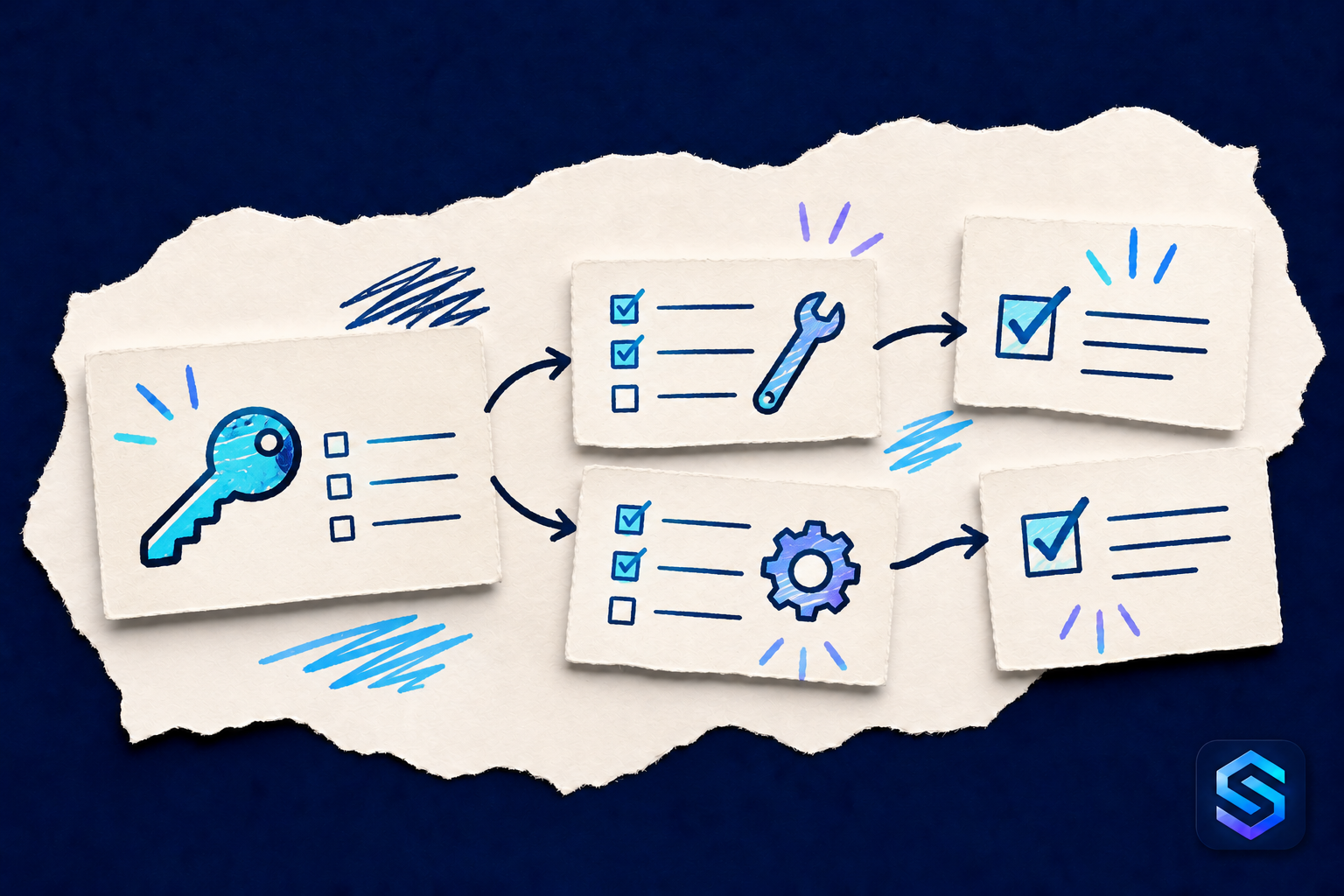
Every time a particular employee is away, the same questions arrive: Which supplier accepts returns? How do we correct this order? Can someone else finish the weekly reconciliation?
That colleague may be highly capable and generous with their time. The difficulty is that the business has allowed essential knowledge to depend on their availability. A large procedure manual rarely solves that dependency by itself. Someone else needs time, access and practice to perform the work.
Cross-training can start with one task that regularly causes a delay. British Columbia's knowledge-transfer guidance identifies cross-training as one way to build coverage during absences. The small-business exercise below turns that principle into a manageable first project.
Choose the dependency that actually stops work
List five tasks that become difficult when their usual owner is unavailable. For each, ask how long the work can wait, what happens if it is done incorrectly, and who could reasonably learn it.
Choose a task with a clear beginning and end. “Learn purchasing” is too broad. “Prepare a supplier return request and record the credit when it arrives” is something a backup can practise and demonstrate.
Check whether the task requires a qualification, approval or restricted access. Training someone to prepare a request does not automatically authorize them to approve it. Keep those responsibilities explicit.
Capture decisions as well as clicks
In a fictional six-person repair shop, Nadia handles supplier returns. A colleague can find the return form but does not know when a return is eligible or which evidence the supplier needs.
For the next return, Nadia explains her decisions while a colleague observes. Together they create a short task guide containing:
- The trigger: an approved decision to request a return.
- The inputs: supplier order, item reference, quantity and reason.
- The checks: condition, eligibility and required supporting documents.
- The exception: what to do when eligibility is unclear.
- The finish: shipment reference recorded and expected credit tracked.
The guide links to current supplier terms rather than copying details that will quickly become outdated. It identifies who decides uncertain cases. It uses fictional examples for practice and keeps sensitive customer information out of the training notes.
Move from observation to independent practice
Plan three short sessions during normal working time. In the first, the experienced employee demonstrates a complete task. In the second, the learner performs it while explaining their reasoning. In the third, the learner handles a different example with the guide available and the trainer observing.
Include one ordinary exception. For the repair shop, that might be a damaged package without the usual photograph. The correct response may be to pause and ask the supplier what evidence is acceptable. Guessing successfully once is weaker evidence of readiness than recognizing when to ask for help.
Protect the trainer's capacity. If Nadia must keep her full workload while teaching, every urgent job will interrupt the session. Move or share a specific piece of work so that training has a realistic place in the week.
Define what ready means
Use observable checks. Can the backup find the right record, prepare a complete request, identify an exception and record the next follow-up? Can they explain which approval they still need?
Record the task, practice date, outcome and remaining support needed. Avoid a vague label such as “fully trained” that implies competence across an entire role. A person may be ready for standard returns while still needing help with disputed credits.
After the first independent attempt, schedule a brief review. If the backup needed three undocumented pieces of information, improve the guide. That is evidence about the process, not a reason to abandon the learner.
Check whether the dependency has actually changed
Over the next month, track how often this task waits for Nadia and how often completed requests need correction. Compare similar cases; an unusually difficult dispute should not be treated like a routine return.
Then ask both employees what still makes coverage difficult. Missing permissions, an inaccessible mailbox or unclear approval authority may matter more than another training session.
Start this week by choosing one critical task, agreeing a backup and protecting the first practice session. A useful result is specific: a second person can complete that task to an agreed standard, and knows when to seek help.